"A Journey to the Promised Land"
The liturgical year, one may say, ends with a bang! Instead of doom and gloom, it opens up a new dimension, the fourth dimension - spirituality and hope. ‘And hope springs eternal in the human heart.’
For the people of Israel, the Promised Land was a concrete and sacred hope. It was the land “flowing with milk and honey” (Exodus 3:8) - the tangible sign of God’s covenant with Abraham, Isaac, and Jacob. To them, this land symbolized freedom, peace, and divine favor after centuries of slavery and wandering. It was not merely a geographical territory but a place where they could live in right relationship with God, governed by His law and protected by His providence. Possessing the land was synonymous with receiving God’s blessing and fulfilling their identity as His chosen people.
Yet, this earthly promise often became misunderstood or limited to material prosperity and national glory. Many Israelites expected the Promised Land to mean political stability and military strength—a kingdom restored to its ancient power. This expectation persisted into the time of Jesus, when many longed for a Messiah who would liberate them from Roman occupation and reestablish David’s earthly throne.
However, Jesus redefined the meaning of the Promised Land. For Him, it was not about geography or political dominion but about the reign of God within the human heart. When He spoke of the Kingdom of God, He revealed that the true Promised Land is not a plot of soil but a state of grace - a life lived in communion with the Father. Jesus pointed beyond the temporal to the eternal. In the Beatitudes, He promised that “the meek shall inherit the earth” (Matthew 5:5), referring not to conquest but to a transformed world where peace, justice, and love reign.
Through His death and resurrection, Jesus opened the way to a new Promised Land - eternal life in the presence of God. The earthly Canaan was only a foreshadowing of the heavenly homeland promised to all who believe. As the Letter to the Hebrews says, “They desired a better country, that is, a heavenly one” (Hebrews 11:16).
Thus, the Promised Land finds its ultimate fulfillment not in a place but in a Person - Jesus Christ Himself. In Him, the restless journey of humanity finds rest. He is the true land of promise, where God’s people finally dwell in everlasting peace, joy, and communion with their Creator.
Sic transit gloria mundi.
"Thus passes the glory of the world".
“…Christ is the same, yesterday, today, and forever.”
Hebrews 13:8
"Thus passes the glory of the world".
“…Christ is the same, yesterday, today, and forever.”
Hebrews 13:8
-- Father Augustine Joseph
Pastor

- Friday, November 07:
- Mass 8:30 a.m. (Church/Livestream)
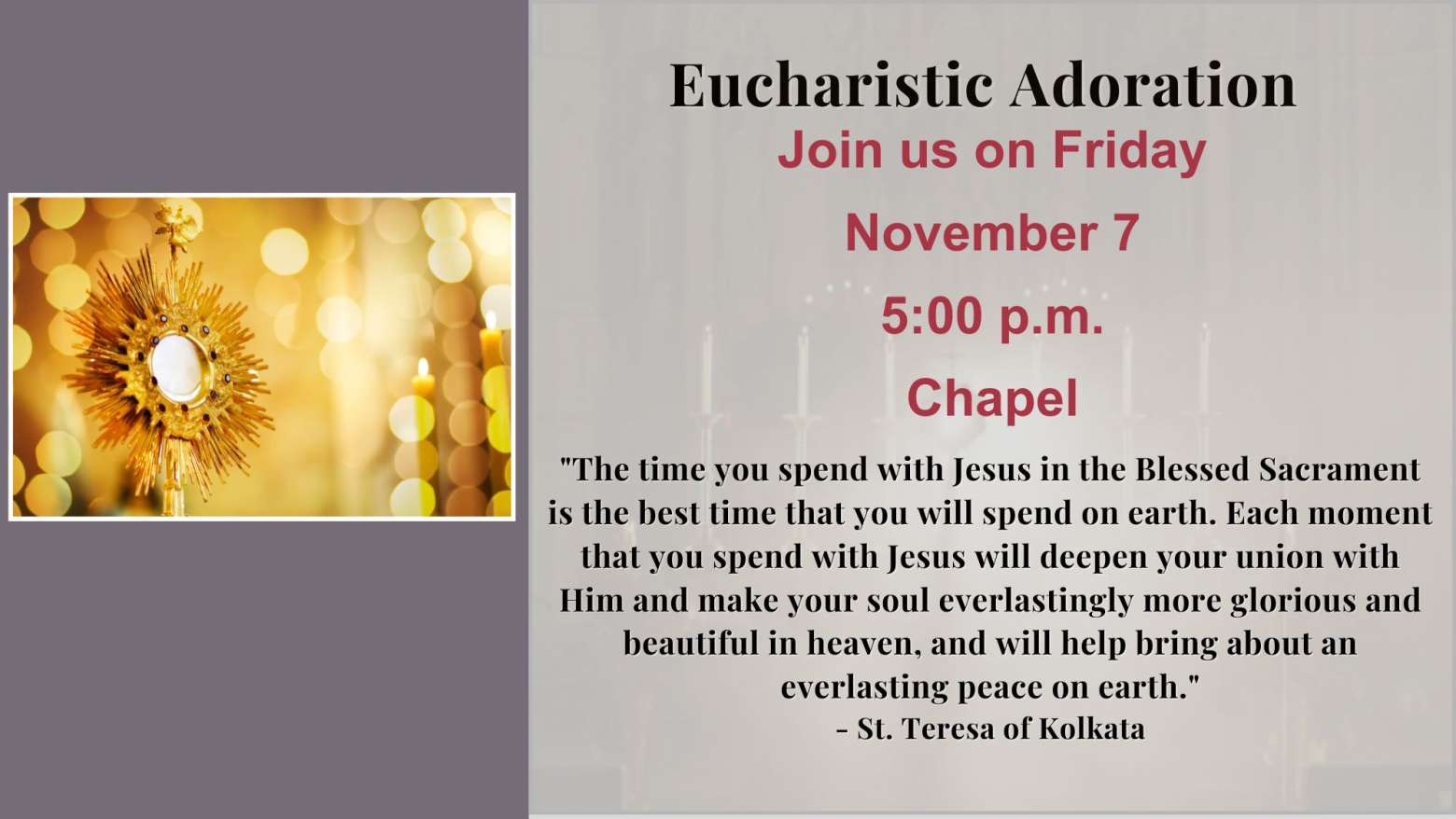
- Adoration of the Blessed Sacrament 5:00 pm (Chapel) - Saturday, November 08:
Second Collection: Archdiocese for the Military
- Scout FC Meeting 10:30 a.m. (Oscar)
- Scouts First Aid Meeting Noon (Pope)
- Reconciliation 4:00 p.m. (Church)
-Anchor & Vine 4:30 p.m. (Pope and Benedict)
- Concern America Craft Sale 4:45 p.m. (Hall)
- Vigil Mass 5:00 p.m. (Church) - Sunday, November 09:
Feast of the Dedication of the Lateran Basilica
Coffee & Donuts After Each Mass (Family Fellowship Sunday)
- Mass 7:30 a.m. (Church)
- Concern America Craft Sale 8:30 a.m. to 1:00 p.m. (Hall)
- Mass with CLW 9:30 a.m. (Church/Livestream)
- Tiny Treasures 9:30 a.m. (Dominic)
- Mass 11:30 a.m. (Church)
- Baptism 1:00 p.m. (Church)
- Imago Dei Meeting 1:00 p.m. (Oscar) - Monday, November 10:
Non-School Day for Livermore Students
- Mass 8:30 a.m. (Chapel/Livestream)
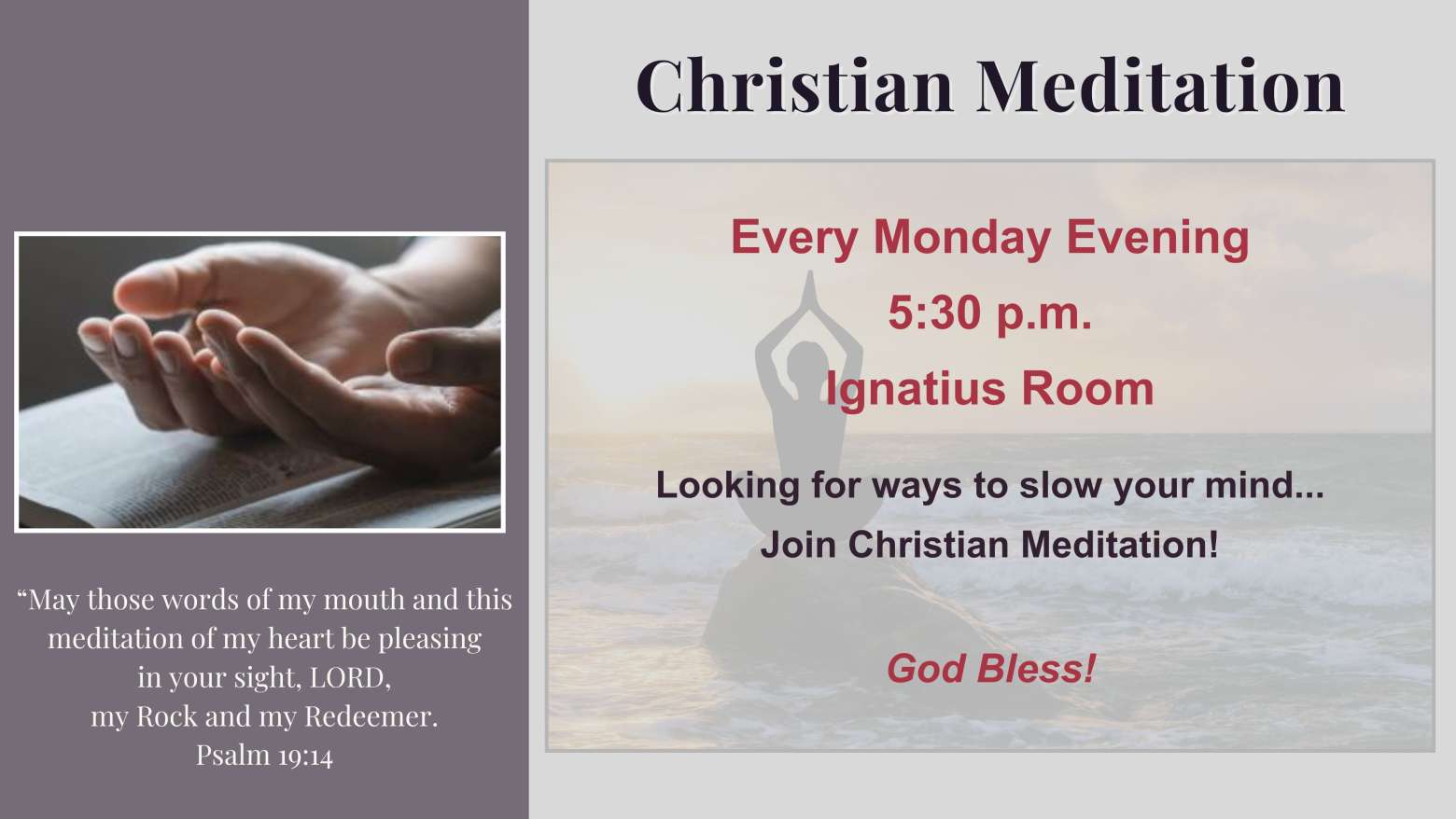
- Christian Meditation 5:30 p.m. (Ignatius)
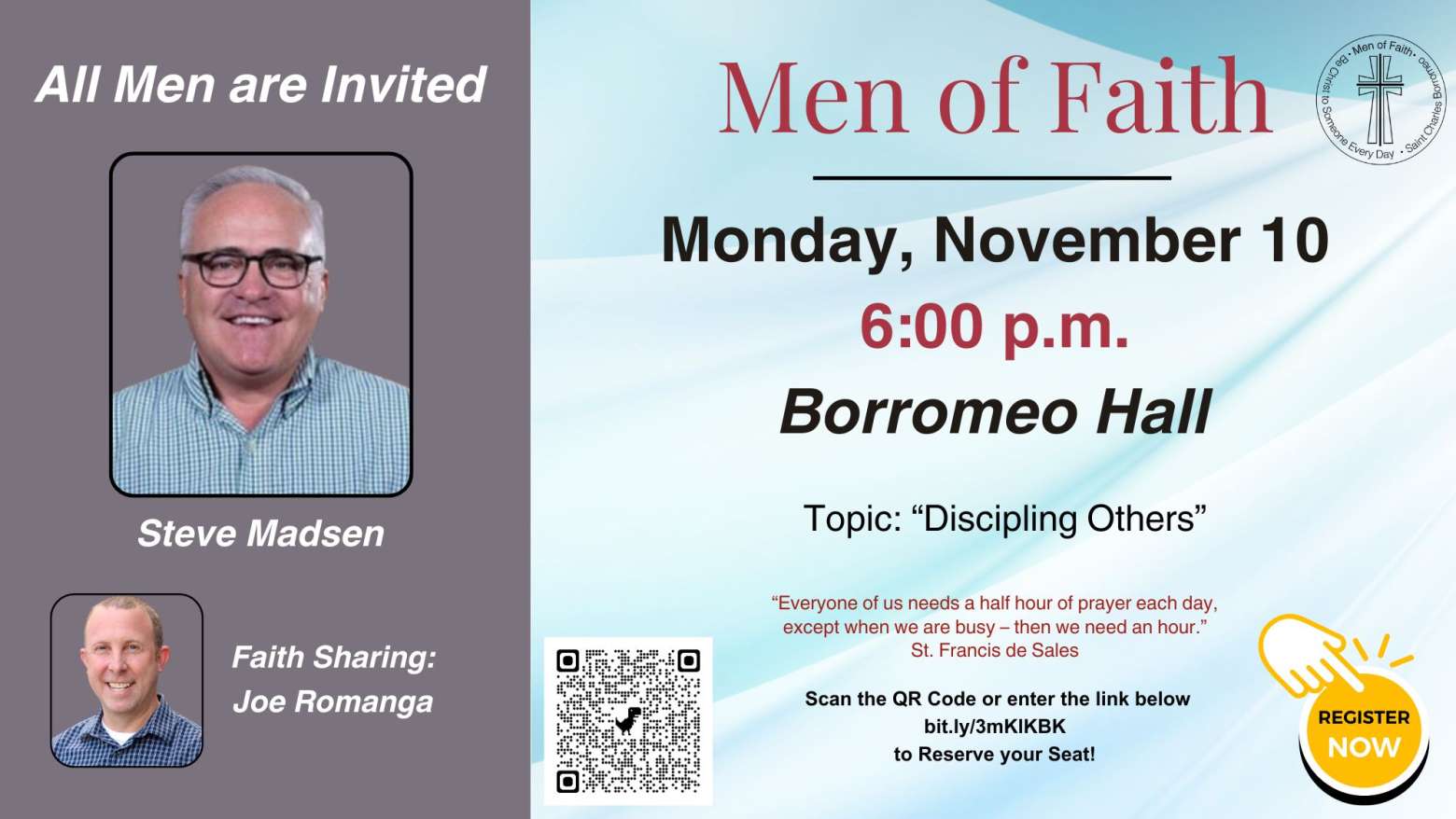
- Men of Faith Dinner Meeting: Steve Madsen 6:00 p.m. (Hall) - Tuesday, November 11:
Veterans Day - Parish Office Closed
Non-School Day for Livermore Students
- Mass 8:30 a.m. (Chapel/Livestream)
- Finance Council Meeting 2:00 p.m. (Pope) - Wednesday, November 12:
- Mass 8:30 a.m. (Chapel/Livestream)
- Giving Tree Set-Up 9:45 a.m. (Church)
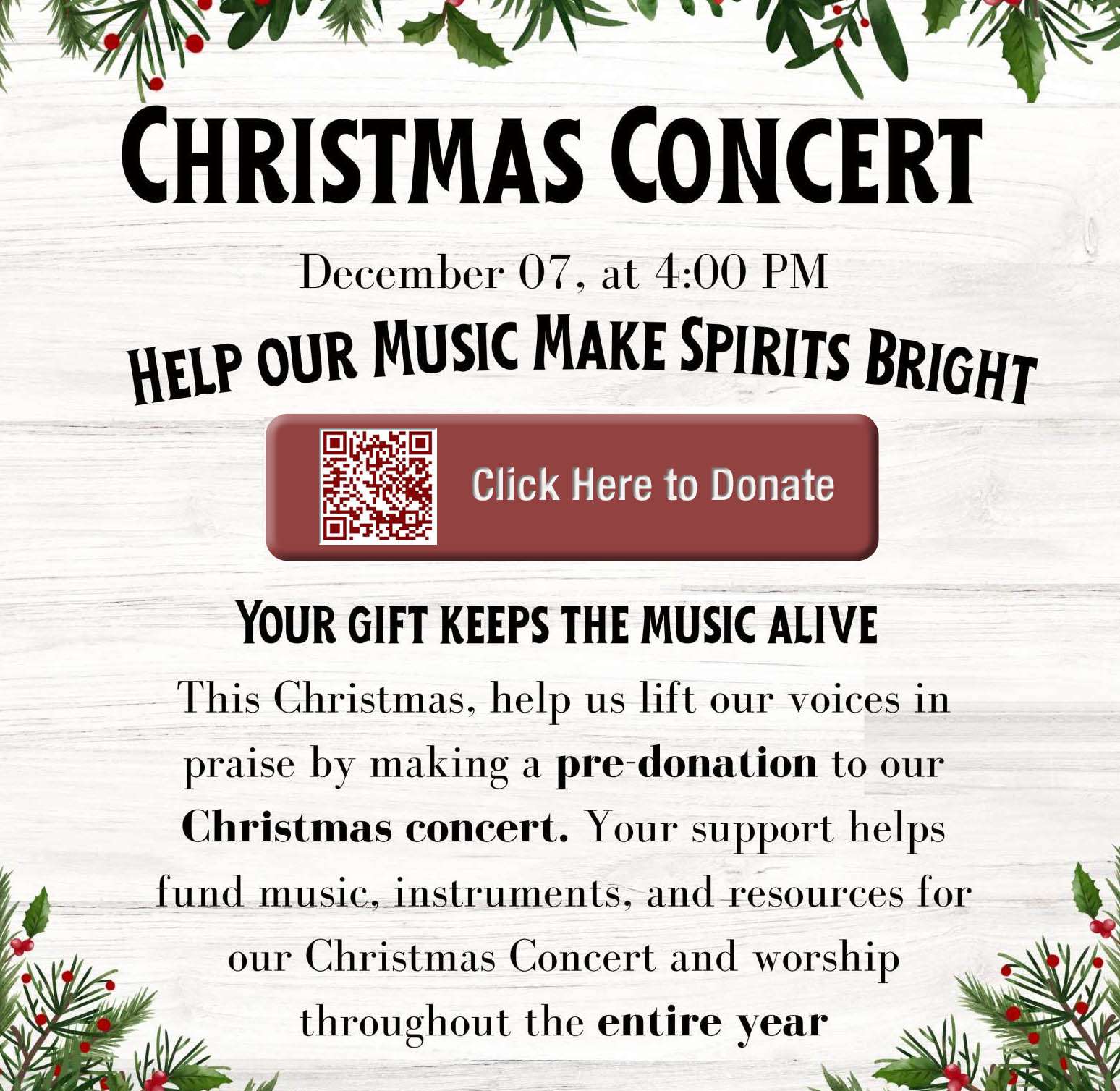
- Children's Christmas Concert Rehearsal 5:15 p.m. (Church)
- Family Movie Night 6:00 p.m. (Hall)
- Adult Choir Rehearsal 6:30 p.m. (Church)
- New Testament Study Group 6:30 p.m. (Oscar)
- OCIA First Meeting 7:00 p.m. (Pope)








If You Are in Need of Prayer...


St. Charles Borromeo Catholic Community
1315 Lomitas Ave.
Livermore, CA 94550
