
1700th Anniversary: Council of Nicaea
Credo in unum Deum… (I believe in one God…) The Nicene Creed.
In a symbolic pilgrimage of unity, Pope Leo XIV visited Nicaea, recalling the First Council of 325, where bishops gathered to defend the divinity of Christ and craft the Nicene Creed. Standing near the ancient hall where Athanasius once spoke with fiery conviction, the Pope reflected on the Church’s enduring call to safeguard truth.
His visit honored the courage of those early fathers who confronted division with clarity and charity. In prayer, he urged today’s Church to rediscover their bold faith, reminding all that the Creed they forged still binds believers across centuries, cultures, and trials.
Key Attendees of the First Council of Nicaea:
- Emperor Constantine I – convened and presided (not voting).
- Around 300 bishops (traditionally 318), mostly from the Eastern Roman Empire.
- Hosius of Córdoba – Constantine’s theological advisor; likely chaired many sessions.
- Athanasius of Alexandria – then a deacon accompanying Bishop Alexander, a key defender of Christ’s divinity.
- Alexander of Alexandria – leading opponent of Arianism
- Eusebius of Nicomedia – leading supporter of Arius.
- Eusebius of Caesarea – Church historian.
- Arius – brought to defend his teachings, though not a voting member.
Pope Leo XIV visited the site of ancient Nicaea (modern-day İznik, Turkey) on November 28, 2025.
Those Present for Pope Leo XIV’s Visit to Nicaea:
- Pope Leo XIV – making a symbolic pilgrimage of unity.
- Ecumenical Patriarch of Constantinople – welcoming the Pope as a gesture of East–West fraternity.
- Local Bishop of İznik (ancient Nicaea) – host and guide to the historic site.
- Delegates from the Eastern Orthodox and Roman Catholic Churches – theologians and representatives of dialogue commissions.
- A small group of historians & archivists – providing context on the Council of 325.
- Pilgrims and local faithful – gathered for prayer and blessing.
Thus, Pope Leo XIV’s pilgrimage to Nicaea reminds us that the Creed is not only a relic of history but a living profession of faith that continues to unite the Church across time and tradition.
Father Augustine Joseph
Pastor
Pastor

- Friday, January 02:
- Mass 8:30 a.m. (Church/Livestream)
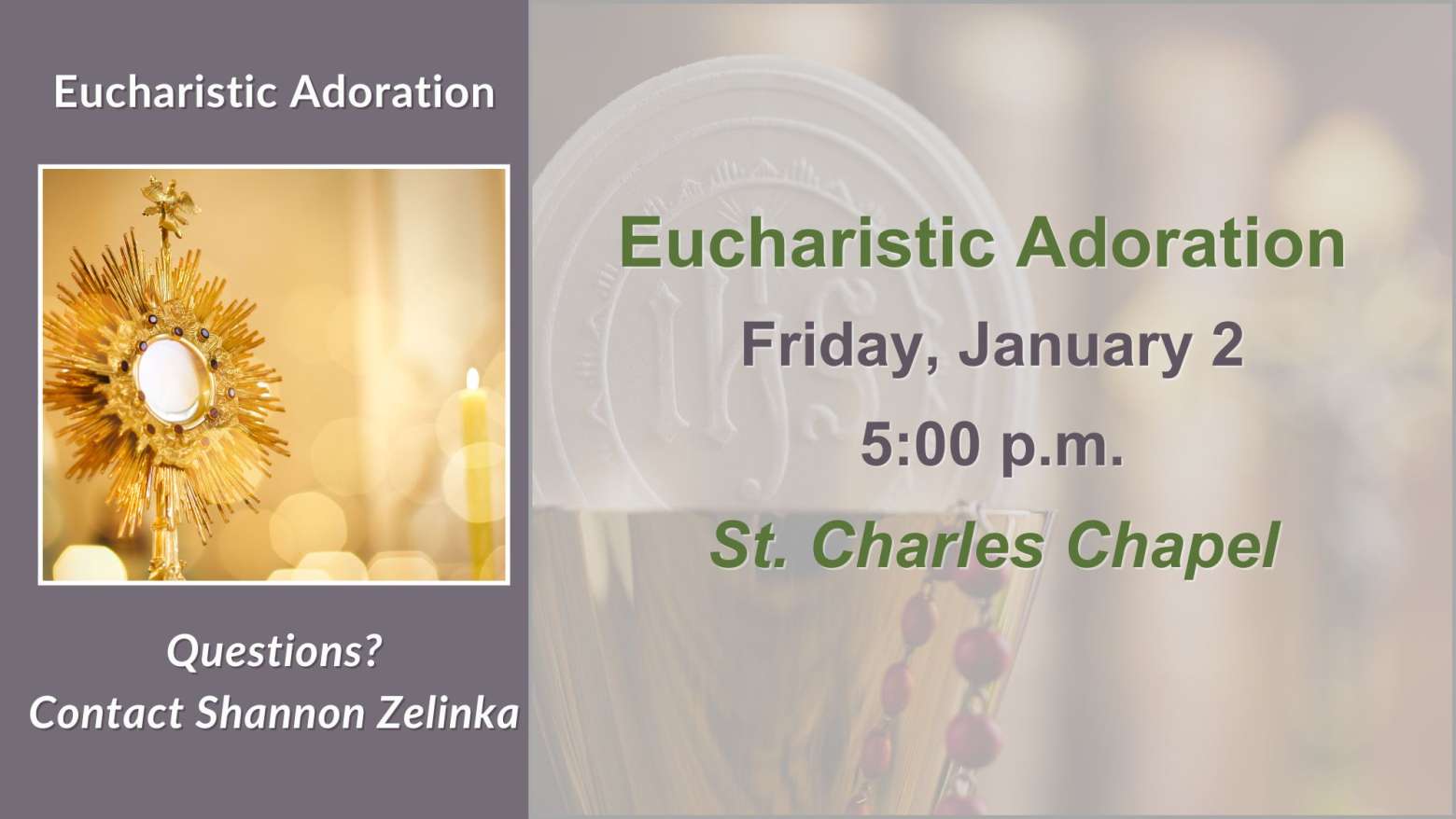
- Adoration of the Blessed Sacrament 5:00 p.m. (Chapel) - Saturday, January 03:
- Reconciliation 4:00 p.m. - 4:30 p.m. (Church)
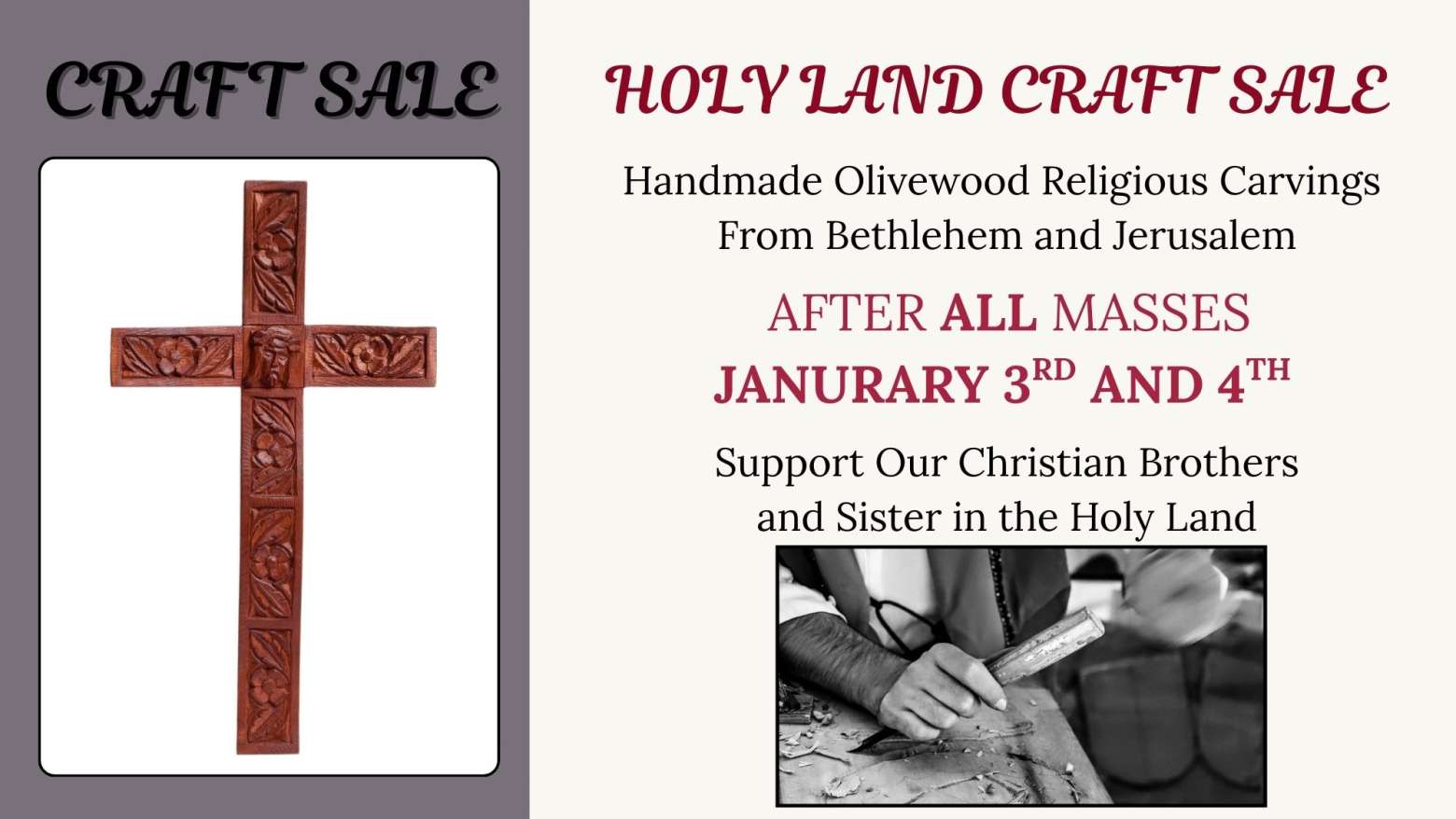
- Holy Land Craft Sale 4:45 - 6:15 p.m. (Plaza)
- Vigil Mass 5:00 p.m. (Church) - Sunday, January 04:
Solemnity of the Epiphany of the Lord
- Mass 7:30 a.m. (Church)
- Holy Land Craft Sale 8:30 a.m. - 12:45 p.m. (Plaza)
- Mass with CLW 9:30 a.m. (Church/Livestream)
- Mass 11:30 a.m. (Church) - Monday, January 05:
- Mass 8:30 a.m. (Chapel/Livestream)
- SET Meeting 9:30 a.m. (Oscar)
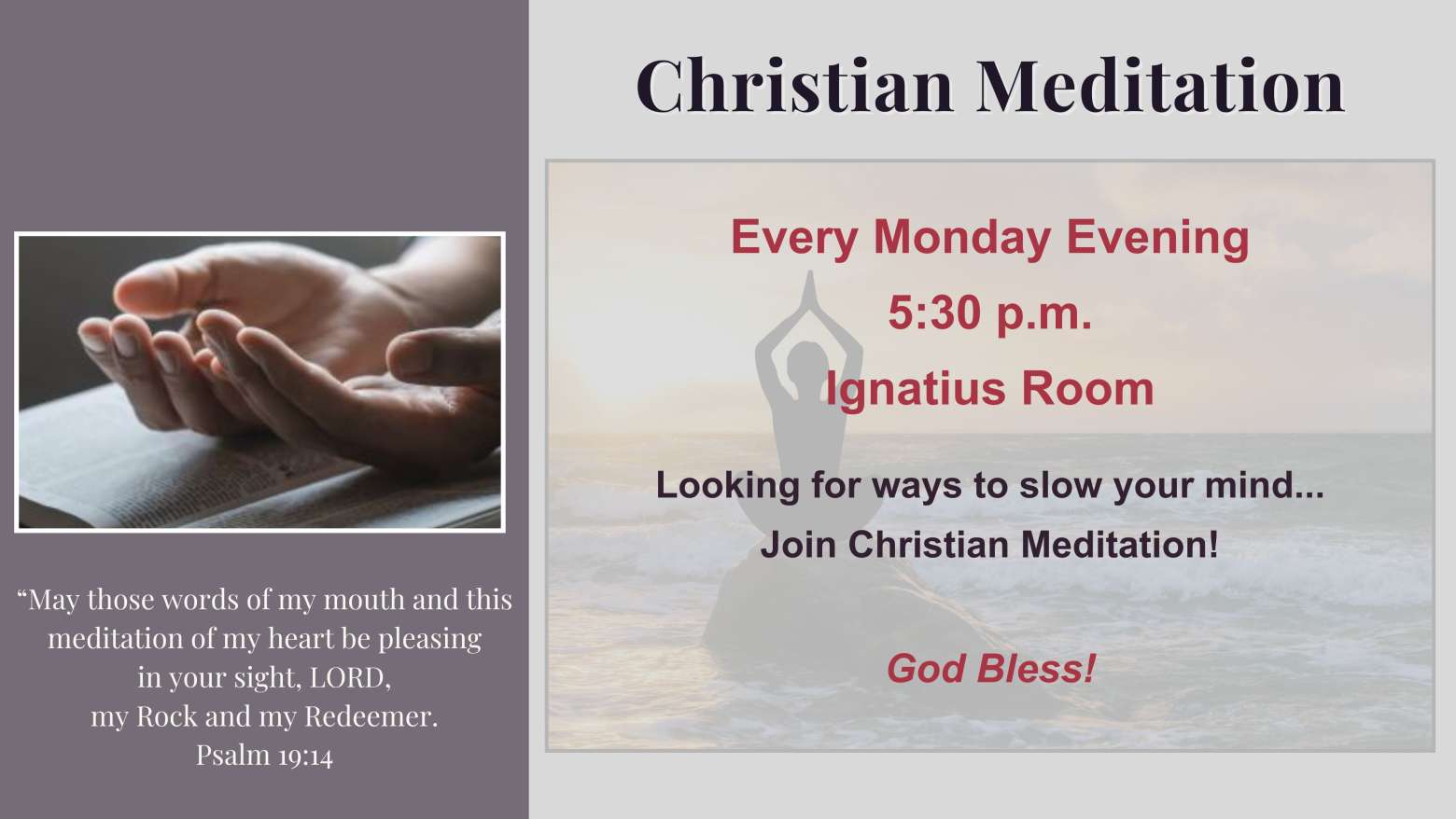
- Christian Meditation 5:30 p.m. (Ignatius) - Tuesday, January 06:
- Mass 8:30 a.m. (Chapel/Livestream)
- Faith Formation (K-5th Grade) 3:45 p.m. (All Rooms)
- Faith Formation (1st-5th Grade) 6:15 p.m. ( All Rooms) - Wednesday, January 07:
- Mass 8:30 a.m. (Chapel)
- Baptism Class 11:00 a.m. (Church)
- Faith Formation (K-5th Grade) 4:30 p.m. (All Rooms)
- Adult Choir Rehearsal 6:30 p.m. (Church)
- Middle School Youth Ministry 7:00 p.m. (Hall)
- OCIA Meeting 7:00 p.m. (Pope) - Thursday, January 08:
- Mass 8:30 a.m. (Chapel)
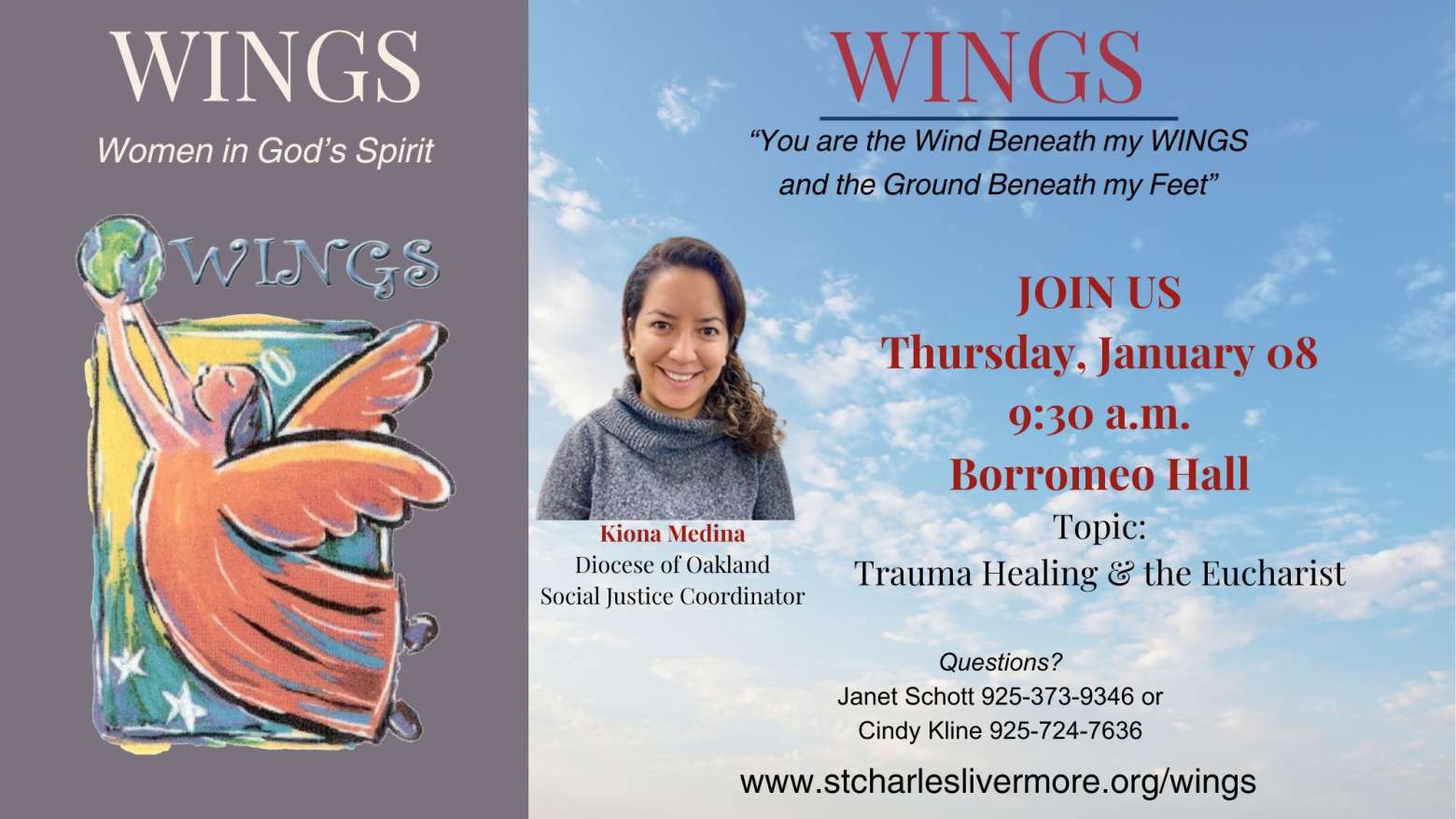
- WINGS 9:30 a.m. (Hall)
- Yale Russian Chorus Concert 6:00 p.m. (Church)
- Sout Troop Meeting 7:00 p.m. (Hall)
You May Also View Our
COMPLETE CALENDAR,
COMPLETE CALENDAR,


If You Are in Need of Prayer...

St. Charles Borromeo Catholic Community
1315 Lomitas Ave.
Livermore, CA 94550
